
Food Security Leads National Discussion
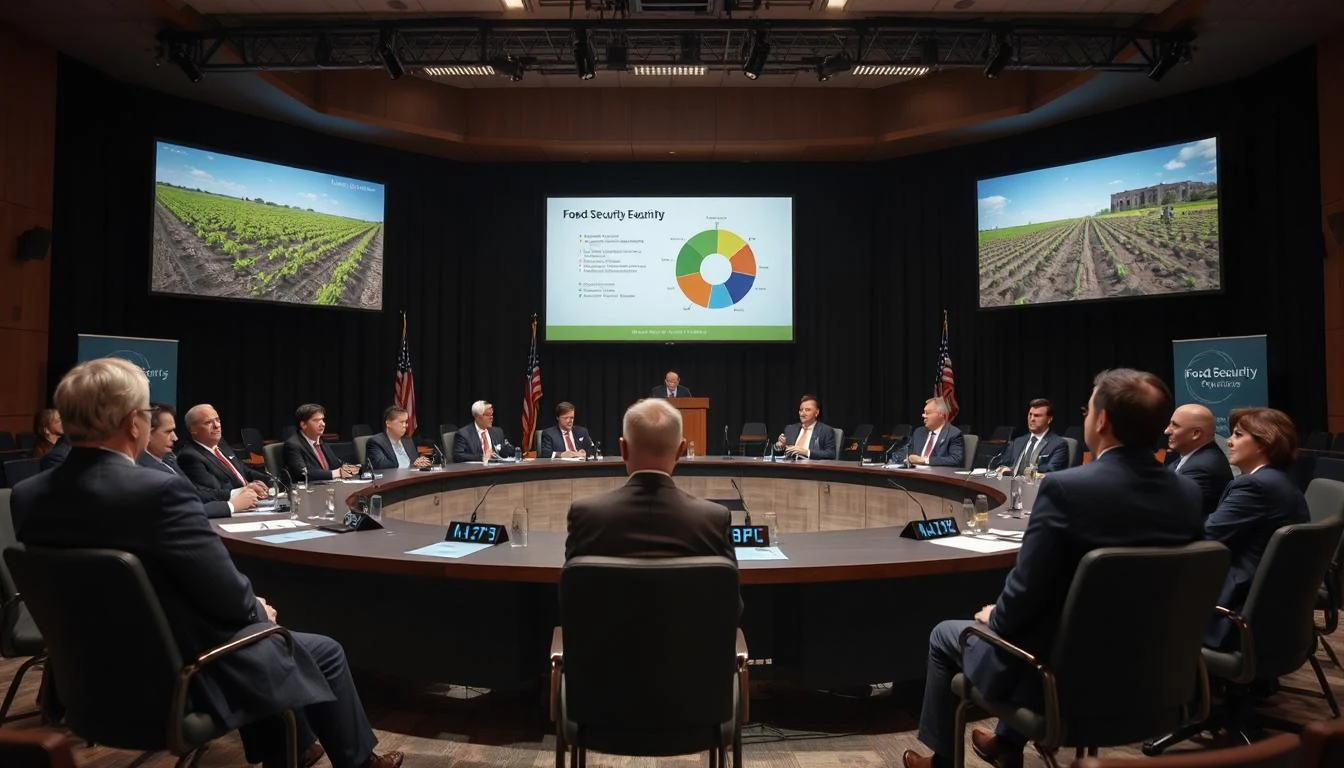
The conversation about food security has moved beyond agricultural circles and into mainstream public debate. Around the world, governments, businesses, and communities are increasingly asking the same question: how can nations ensure stable access to food in an era marked by economic uncertainty, environmental pressure, and shifting consumer demands? This issue affects everyone, from farmers cultivating crops to families purchasing groceries each week.
Today, the growing food security policy discussion reflects a deeper concern about the future of food systems and their ability to withstand disruption. What was once considered a sector-specific challenge has evolved into a national priority linked to economic resilience, public health, environmental sustainability, and long-term development. As food systems become more interconnected, the decisions made today will influence food availability for generations to come.
Understanding Modern Food Security Challenges
Before exploring solutions, it is important to understand why food security continues to dominate national conversations. The challenge extends far beyond food production alone. It involves transportation, climate adaptation, consumer behavior, technological innovation, and policy coordination. At the center of these discussions lies the need to strengthen agriculture sustainability food supply systems that can remain reliable under increasing pressure.
Supply Chain Stability Concerns
Food supply chains have become more complex than ever before. A single product may pass through multiple countries, processing facilities, transportation hubs, and distribution centers before reaching consumers. While globalization has improved efficiency, it has also introduced vulnerabilities.
Disruptions caused by geopolitical tensions, transportation bottlenecks, labor shortages, and rising fuel costs can quickly affect food availability and pricing. These challenges have encouraged policymakers to prioritize resilient supply chains capable of responding to unexpected events without jeopardizing food access.
According to economist Joseph Stiglitz, "Resilient supply chains are no longer optional; they are essential to economic and social stability." His observation highlights why governments increasingly view food distribution networks as strategic national assets rather than simple commercial systems.
Population Growth and Food Demand
Global population growth continues to place significant pressure on food systems. More people require greater quantities of food, water, energy, and agricultural resources. At the same time, rising incomes in many regions are changing dietary preferences, increasing demand for resource-intensive food production.
This growing demand creates a difficult balancing act. Nations must expand production while preserving natural resources and minimizing environmental impact. As a result, policymakers and agricultural experts are focusing on strategies that improve efficiency without compromising long-term sustainability.
Discussions surrounding future food demand frequently center on questions such as how countries can maintain productivity, reduce waste, and ensure equitable access to nutritious food. These concerns have become increasingly relevant as urbanization continues to accelerate worldwide.
Climate Related Agricultural Impacts
Climate-related challenges represent one of the most significant threats to food security today. Extreme weather events, prolonged droughts, floods, and unpredictable growing seasons directly affect agricultural productivity and food availability.
Farmers across different regions are already adapting by implementing climate-smart practices, adopting drought-resistant crops, and improving water management systems. These approaches are becoming critical components of modern agricultural planning.
Environmental experts emphasize that climate adaptation is no longer a future consideration but a present necessity. Sustainable land management, regenerative agriculture, crop diversification, carbon-smart farming, and water conservation initiatives are increasingly recognized as essential tools for protecting food systems against future risks.
National Strategies for Sustainable Food Systems
As awareness of food security challenges grows, governments are developing comprehensive strategies designed to strengthen long-term resilience. These efforts seek to balance increased production with environmental responsibility while ensuring that food remains accessible and affordable.
Strengthening Agricultural Production
Increasing agricultural productivity remains a central objective within national food security frameworks. Modern technologies such as precision agriculture, advanced irrigation systems, satellite monitoring, and improved crop genetics are helping producers achieve greater efficiency.
Investment in agricultural research continues to generate innovative solutions that allow farmers to produce more food using fewer resources. These advancements support sustainable growth while reducing environmental pressure.
Many governments are also expanding support programs for farmers, recognizing that strong agricultural sectors provide the foundation for stable food systems and economic development.
Improving Food Distribution Networks
Even when food production is sufficient, distribution challenges can create shortages and inefficiencies. Effective transportation infrastructure and storage systems play a critical role in ensuring food reaches consumers in a timely manner.
Governments are increasingly investing in cold-chain logistics, digital supply tracking, regional food hubs, and transportation upgrades to improve efficiency throughout the supply chain. These initiatives help reduce food waste while enhancing accessibility.
Strengthening distribution networks also provides greater protection against disruptions, ensuring that communities maintain access to essential food supplies during periods of instability.
Encouraging Innovation in Farming
Innovation is rapidly transforming the agricultural landscape. Emerging technologies are enabling farmers to make data-driven decisions that improve productivity and resource management.
Artificial intelligence, automation, robotics, vertical farming, hydroponics, and precision monitoring systems are helping producers address challenges related to labor shortages, climate variability, and resource constraints.
These advancements demonstrate how technological innovation can contribute to more resilient food systems while supporting sustainability goals. As adoption increases, many experts believe innovation will play an even greater role in shaping the future of agriculture.
The Role of Communities and Policymakers
Food security cannot be achieved through government action alone. Lasting progress depends on collaboration among policymakers, businesses, researchers, farmers, and local communities. When these groups work together, food systems become stronger, more adaptive, and better prepared for future challenges.
Supporting Local Food Initiatives
Local food initiatives provide valuable support for national food security objectives. Farmers' markets, community-supported agriculture programs, urban farming projects, and regional food cooperatives help strengthen local supply chains.
These initiatives reduce dependence on distant suppliers while supporting local economies and increasing consumer access to fresh products. They also create opportunities for communities to become more involved in food system development.
As public interest in local food continues to grow, these programs are becoming increasingly important components of broader food security strategies.
Developing Long Term Policy Solutions
Effective food security policies require a long-term perspective. Governments must anticipate future challenges while creating frameworks that encourage innovation, sustainability, and resilience.
Successful policy development often involves balancing economic priorities with environmental considerations. Investments in agricultural research, climate adaptation, infrastructure modernization, and workforce development all contribute to stronger food systems.
Agricultural scientist Dr. Cary Fowler once noted that "Food security is not achieved through a single harvest but through sustained investment in systems that can endure change." His statement underscores the importance of planning beyond immediate needs and focusing on long-term resilience.
Increasing Public Awareness Efforts
Public awareness plays a critical role in strengthening food security. Consumers who understand food systems are often more supportive of sustainable practices, responsible consumption, and policies designed to improve resilience.
Educational campaigns, community programs, and transparent communication can help bridge the gap between food producers and consumers. Increased awareness also encourages informed decision-making at both individual and institutional levels.
As more people recognize the interconnected nature of food systems, support for sustainable solutions continues to expand, creating momentum for meaningful change.
Take Action to Support a More Secure Food Future
The future of food security will depend on decisions made today. Every improvement in agricultural productivity, supply chain resilience, technological innovation, and public awareness contributes to a stronger and more reliable food system.
The national conversation surrounding food security is ultimately about protecting future generations while addressing present challenges. By supporting sustainable practices, encouraging innovation, and advocating for forward-thinking policies, societies can create food systems that remain resilient in the face of uncertainty.
As you reflect on the challenges and opportunities discussed throughout this article, one question remains particularly important: what kind of food system do we want future generations to inherit? The answer will be shaped not only by policymakers and industry leaders but also by the choices individuals make every day. A more secure food future begins with awareness, continues through action, and becomes possible when collective responsibility turns discussion into meaningful progress.
If this topic interests you, continue exploring the latest developments in food security and sustainable agriculture to stay informed about the future of global food systems.